How to compare two cars by size
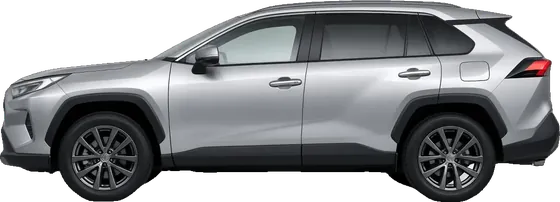
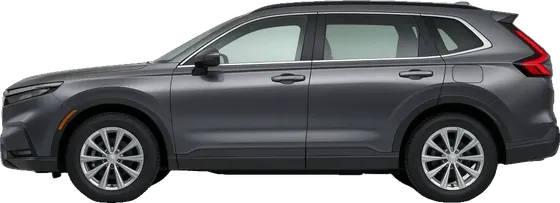
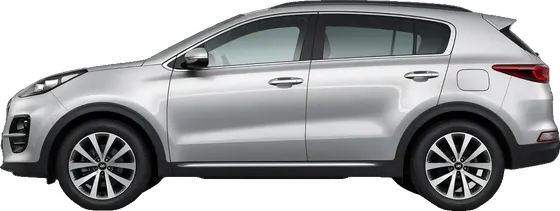
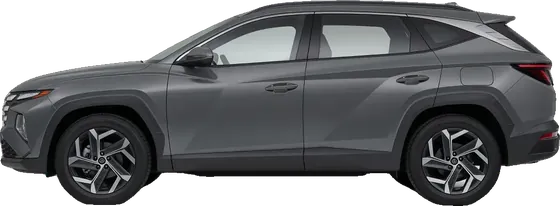
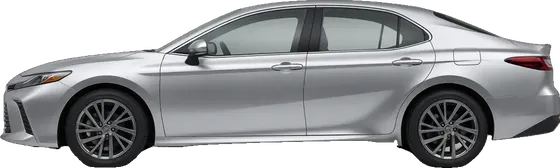
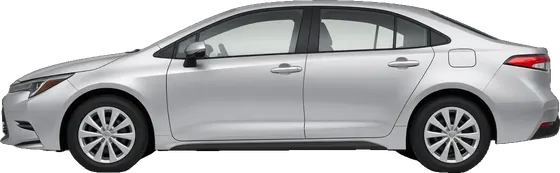
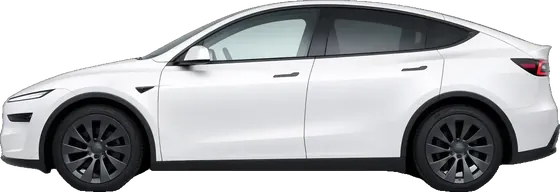
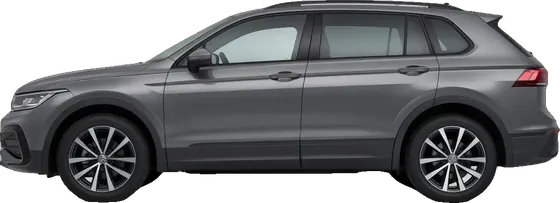
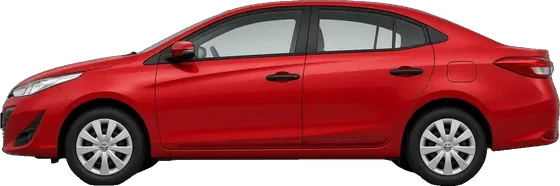
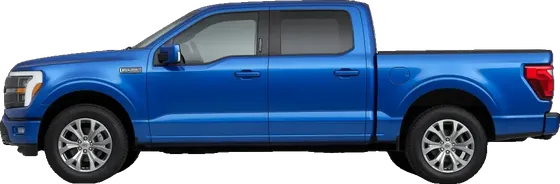
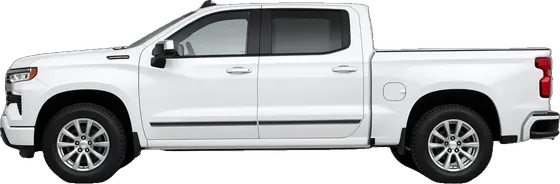
Search for the first car, then add a second. Both sit on the same millimetre scale, so a long pickup does not shrink to match a hatchback. Switch between the front, an overlap, the side, and the rear.
Length, width, and height come from the maker's specification sheet for that generation. Each page names the brochure under the table. If the sheet leaves a figure out, the cell stays blank.
What the comparison shows
A two-car view shows gaps a single spec sheet hides. You can see whether an SUV is longer than the car in the garage, whether two pickups share a wheelbase, and which roof is taller. Overlap stacks the outlines so a length or height gap is visible without reading a number.
The table keeps key facts open: body type, fuel, seats, boot volume, length, width, height, wheelbase, and ground clearance. Engine, electric, and chassis figures sit in groups you can open.
Width is the body. Mirrors sit outside that box, which is how most makers publish the figure.
When size is the question
People compare cars by size before they buy, before they rent, and before they park in a tight bay. Check length for a garage, width for a city space, height for a car park barrier, and boot volume for a trip.
Good questions. Here are the answers
Pick two models. The site draws both on one scale and lists official millimetres for length, width, height, wheelbase, and clearance, plus seats, boot volume, and the engine or battery figures the maker publishes.
Each car cites the brochure or specification sheet used for that generation. Missing figures stay blank.
No. Two cars keep the scale readable. To check a third model, replace one of the two.
Front, overlap, side, and rear. Overlap stacks the two bodies so a length or height gap is easier to see.